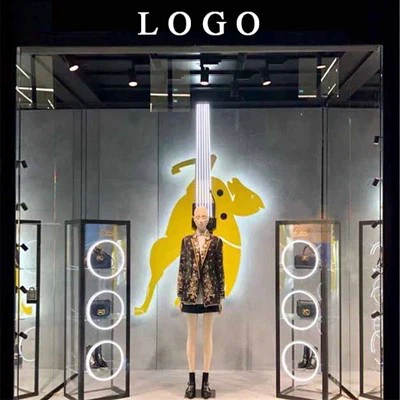
1. Scene display
This type of window display is to process the product as a certain scene or plot picture, and the product becomes a role in it. This kind of display is to show the product in use by simulating the scene, highlighting the function and appearance of the product.
Scenario-based expressions are easier for customers to associate with each other, which in turn produces a sense of intimacy and is easy to arouse customers' desire to buy.
2. Seasonal display
Seasonal display is to display goods according to the different characteristics and requirements of the season, through the corresponding theme and content. Seasonal windows can be divided into four types: spring, summer, autumn and winter, and different artistic techniques can be used to render goods in different seasons.
3. Festival display
Festive displays are an important part of window displays, and the use of festive themes to launch festive displays not only grasps the trend of marketing, but also creates a lively atmosphere. A beautiful holiday window can not only drive sales, but also create people's emotions for the brand.
Christmas, Spring Festival, etc. are all seasons when brands are fully marketing, and the windows in the festival often shine, making people stop and admire. Festival windows often use strong colors to render the atmosphere, and often use dramatic plots and scene display effects in the form.
4. Close-up display
That is, through various forms, using techniques such as contrast, highlighting and displaying a kind of clothing. The close-up display of the product can highlight a small product or a certain selling point of the product, so that customers can easily see and understand, so as to better promote the product.
When clothing companies launch new clothing for the season, they often use the form of close-up display, such as using special light sources to illuminate or place them in a conspicuous position to highlight key clothing.
5. Thematic display
Thematic display refers to the interconnection of various products to form a whole, giving customers a complete and comprehensive visual impression. The advantage of thematic display is that it can connect a variety of different goods, including the display of a single product, but also related to other products, becoming a coherent and logical whole.
The thematic window not only highlights the product in effect, but also gives it rich connotation, forming a whole in various independent forms but interrelated ways, so as to express the theme in detail and detail.