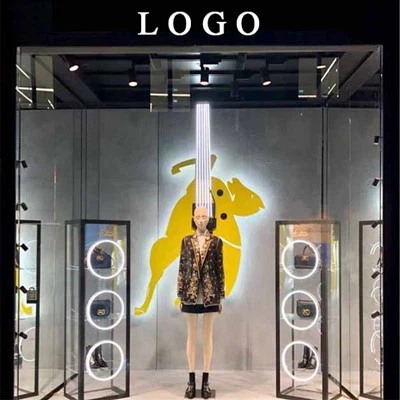
Ten years ago, department store plaster models stood in the same cross-legged pose. Walk into any shopping mall today, and you will find that display props are undergoing metamorphoses: smart paint that can sense temperature change, 3D printed petals that sway in the wind, floating booths that can be lifted and lifted remotely by mobile phones...
The golden rule in this industry has been upgraded from "show goods" to "make memory points". A designer store in Hangzhou uses a CNC hydraulic device to create a "breathing" window, which changes the opening and closing range according to the density of people, and this sense of life design has earned the store 2,000 + "healing" tags on a review App.
Modular design is changing the rules of the game. The latest "Rubik's Cube system" launched by an international fast fashion brand uses an aluminum alloy frame with a standard interface to achieve 2-hour scene switching. The props storage area is therefore reduced by 60%, and the new speed is three times faster. This "asset-light experience" model is rapidly being replicated in small and medium-sized brands.

Lighting props play breakthrough is more amazing. The cultural and creative shop of Suzhou Museum uses optical fiber embroidery technology to project the flowing "Gusu Bustling Map" on the gauze curtain, which not only protects cultural relics but also creates a sense of time travel. According to the data, this dynamic lighting installation increases customer stay time by an average of 8 minutes, which is associated with a 17% increase in sales conversion.
Li Feng, a senior planner in the industry, pointed out: "In the next three years, display props will move towards' invisible intelligence '. Pressure sensors hidden in the fabric, conductive ink incorporated into decorative patterns, these invisible technologies are really the key to making the scene 'alive'. Prop designers need to become cross-boundary dreamers who understand both material engineering and the logic of social media communication."