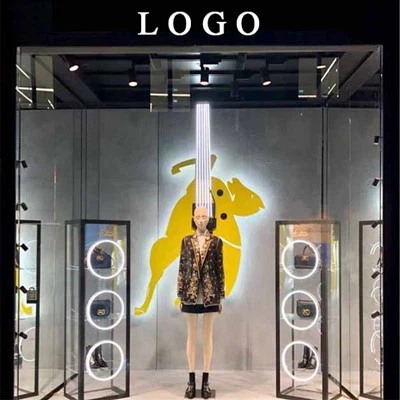
Good window design is not only a piece of art about color, line and display that feasts consumers' eyes, but also a marketing tool that conveys the brand's personality, style and culture, and drives sales.
As one of the brand image contents, the store window design is the first face of the brand directly to consumers. As one of the important marketing means of the winning terminal of enterprises, it attracts consumers' attention through the most direct brand display, and conveys brand image and brand style, and even plays a more important role in increasing sales than in-store shopping guides.
The window development in European and American countries has been very mature, and gradually transformed to various new technologies and media, keeping up with the development of the times, bringing surprising visual experiences to global consumers. Domestic window design is still in its infancy, basically imitation, domestic first-line brands imitate foreign big brands, second- and third-tier brands imitate domestic first-line brands, and do not start from the brand's own positioning and culture, nor do they make consumers happy in the expression of emotions. An excellent window design should be able to attract the attention of consumers in the shortest possible time, stop and stay, arouse interest and resonance, bring spiritual and spiritual shock, and want to enter the store to have a look. So, how can companies design windows?

Look for windows that fit your brand's style
The windows are stylized and varied. To find a window style that suits them, brands must first meet the main characteristics of the major industry categories. For example, mature women's clothing should show an elegant and noble style, and young lady clothing is youthful and energetic. If the image of mature women's windows is dynamic, it is obviously inappropriate and difficult for customers to accept, let alone resonate.
The second is in line with the brand's own style characteristics, mainly by the style of the product to determine the direction of the entire terminal image. For example, Chanel and Dior, both sophisticated luxury brands, are very different from their products to their terminal stores and window images. Chanel is neutral and handsome in her elegance, and the elements expressed in the windows are mostly simple tones of black, white and gray, delicate lines and clean silhouettes; In contrast, Dior's elegance is gorgeous and luxurious, and most of his window expressions are bright colors, strong contrasts, and the design method is also unconventional.
Finding the right window style is not difficult, sticking to the window style is the hardest thing. The windows of luxury brands are very well done in this regard, and it is very worth learning from domestic enterprises. Adhering to a window style is like an invisible brand advertisement, which will make the brand style more and more clear and deeply rooted in the hearts of the people. On the contrary, brands that often change the terminal image and window design style will confuse consumers and have a very ambiguous understanding of the brand image, which is also a mistake that many domestic brands are prone to make.